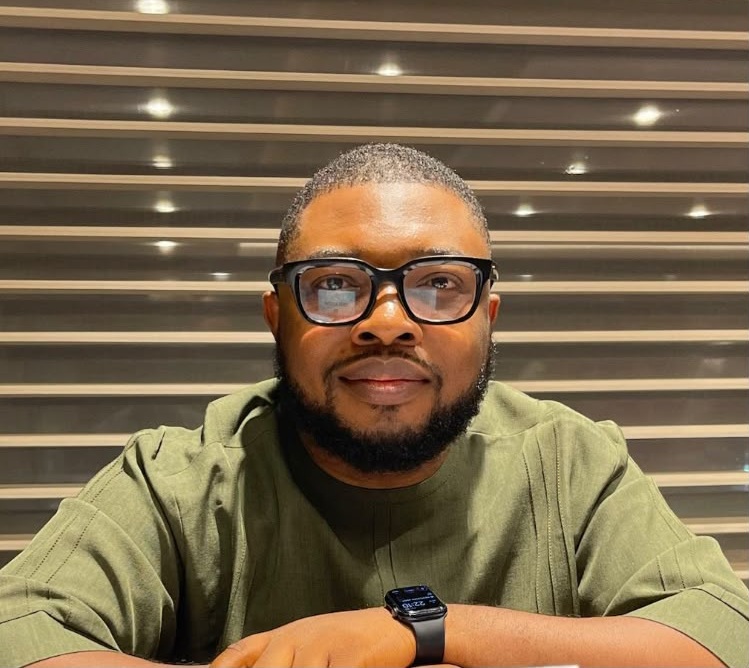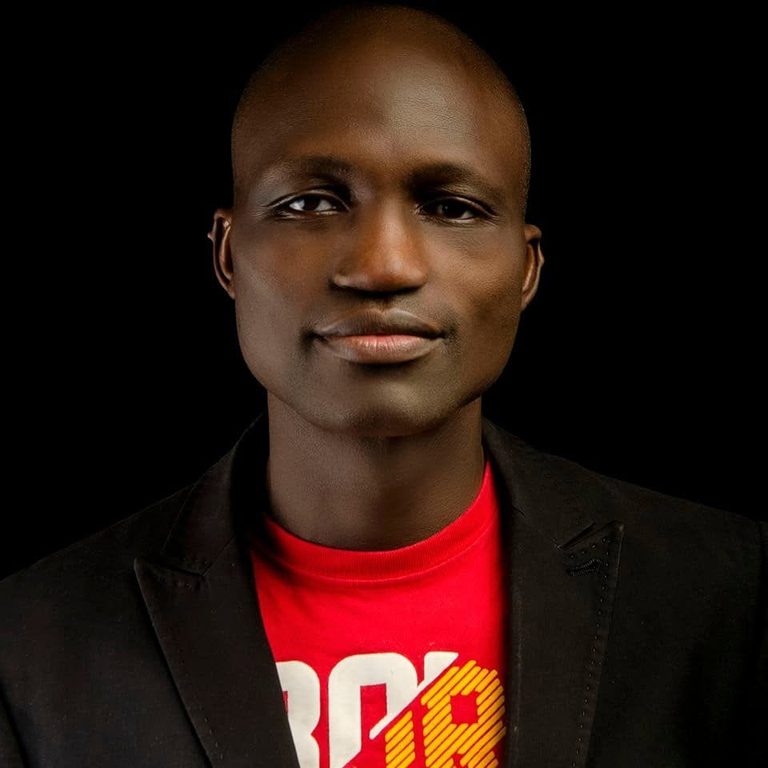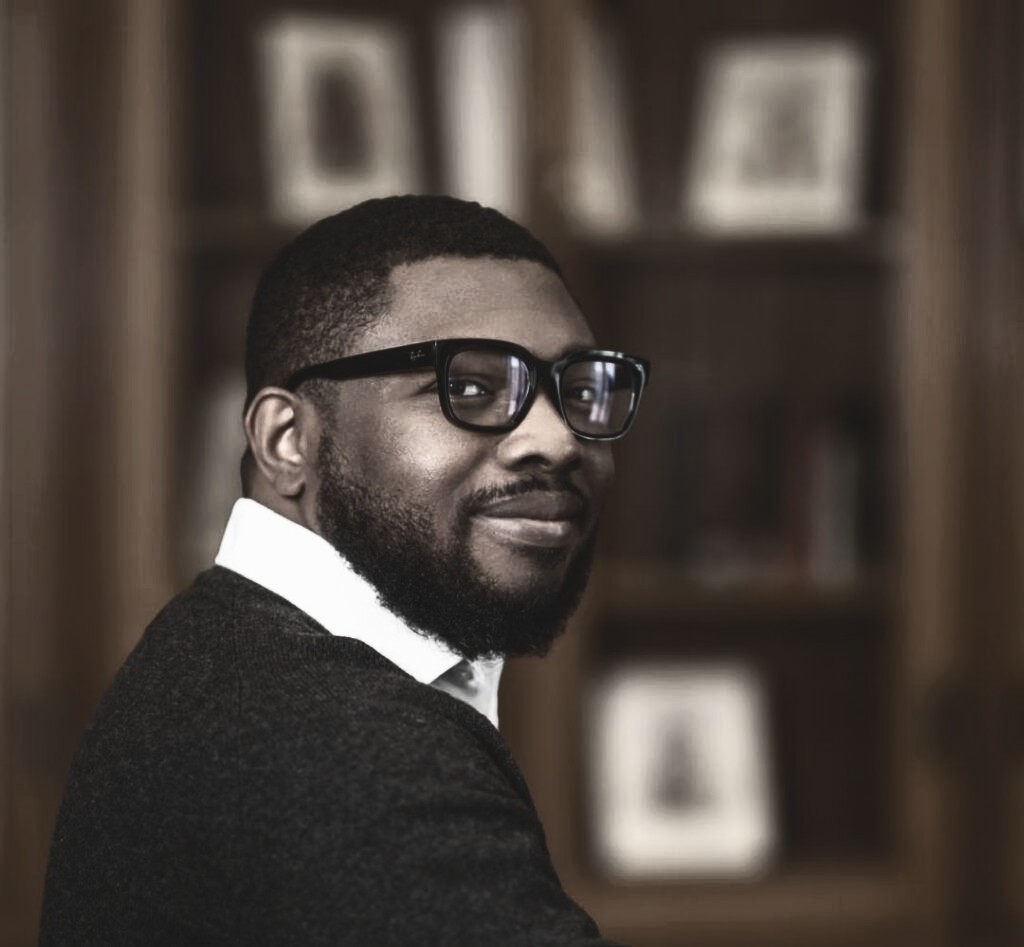

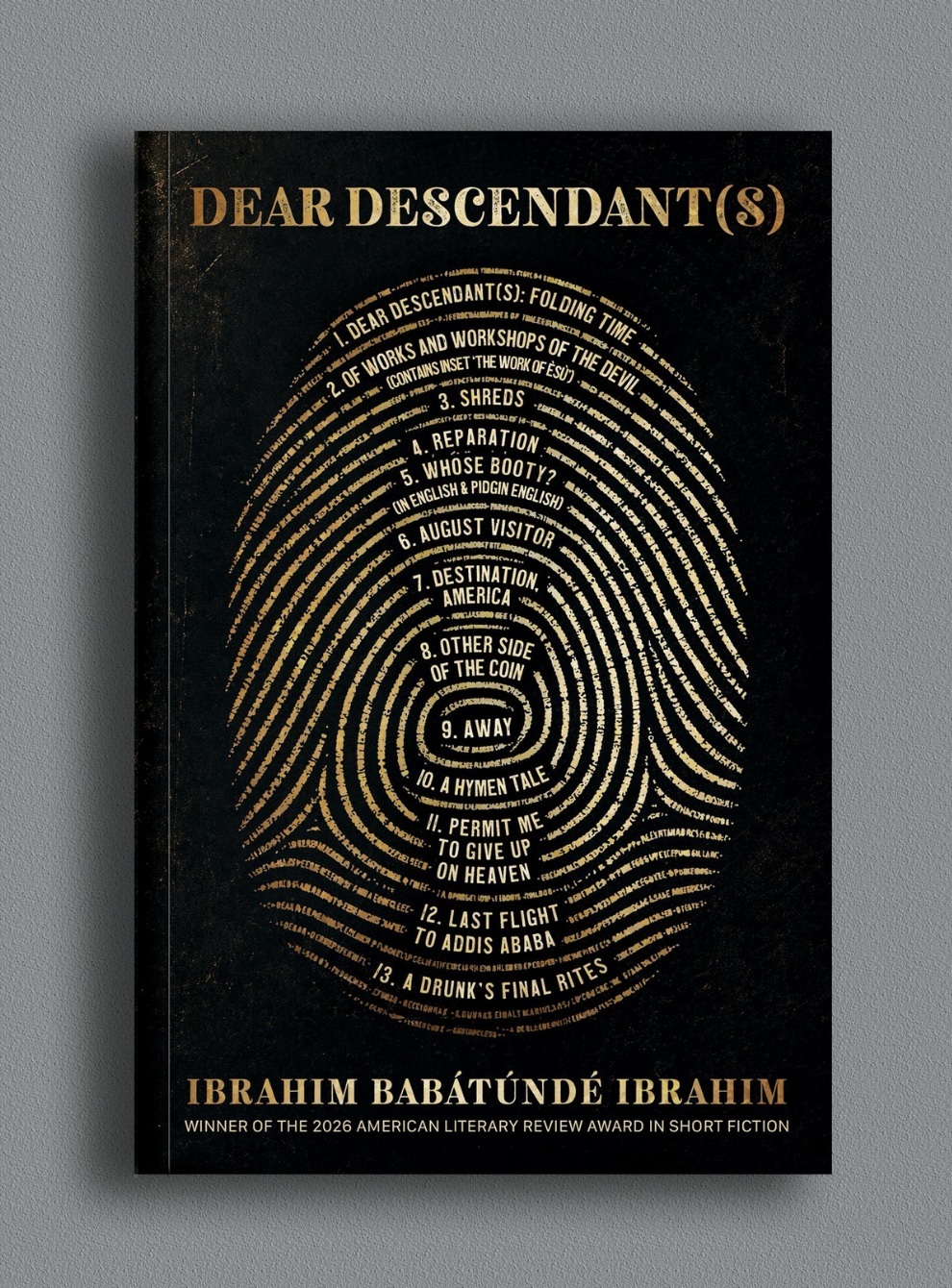
Among other honours, Ibrahim Babátúndé Ibrahim has won the American Literary Review Award, the Creative Future Writers’ Award, and the Quramo Writers' Prize. His work has been included in the Best Small Fictions anthology and has been a finalist for the Faber Children's FAB Prize, the Miles Morland Writing Scholarship, the George Garrett Fiction Prize, a The Masters Review anthology prize, and twice for the Moon City Short Fiction Award. In this 7 Crossings interview, he reflects on the influence of early family storytellers, patience and observation as the core of creativity, enduring the writer's burden, and finding literary community as an immigrant in the UK.
- The Origin: What is one sound, scent, or image from your earliest home that still finds its way into your work today?
I wish I could say it’s this or that, but when it comes to writing—or let me say, my love for stories—my earliest memories are a melee, so packed that it’s hard to point to just one thing. In that melee, there’s the star-dotted night sky in my gaze as I lie on a mat listening to my grandma’s stories of the tortoise and the dog; there are the orange flame and curling smoke from the lantern as I turn pages while the rest of the house snores; there are the lamp posts and brick walls that I walk into with a book in hand, with the resulting bumps disfiguring my forehead; the many James Hadley Chase novels that I stripped of their naked-girl covers and split into two so grownups wouldn’t suspect that I was reading books above my age grade; all the many books I borrowed friends, and the ones I lent them but never got back. It’s all decades again, but everything still finds its way into my work somehow.
- The Crossing: How has moving, whether across oceans, cities, or internal states of mind, changed the way you create?
Naturally, moving from one place to another widens a person’s worldview and introduces them to new things. There’s that. But the biggest one for me, I believe, is how much my sense of observation has improved. Personally, all my writing is anchored in observing what happens around me, in my environment. Moving to the UK, however, I didn’t stop writing, but I couldn’t base my writing in the UK for a long time, as I didn’t feel I had immersed myself enough to do that space justice. I marinated for a number of years until I felt ready. That marination takes patience that I didn’t have initially as a writer. And now, it’s not just showing up when I write about the UK. These days, it is how I write, about anything and everything. Patience. Observation. Marination.
- The Ritual: What does your creative sanctuary look like, and what is the one non-negotiable habit you need before you start working?
I’ve moved around a lot in the last couple of years, and in a reality such as that, a fixed creative sanctuary doesn’t exactly exist. You write where you can. However, one thing I would say has been constant across multiple locations is orderliness. I like to create a corner for myself that is orderly enough, but that doesn’t mean I can’t also write in the midst of chaos if need be. I once wrote in a small hotel room in Newcastle when my family first arrived in the UK. A tiny space housing four of us, with only a double bed and a small wardrobe, no table or chair, and too cold for comfort. But once I confirmed everyone else was asleep, I placed my laptop on our luggage, sat on the floor, and wrote. The room, however small, was orderly enough, and with some peace, that was all the sanctuary I needed to write. That story was longlisted for the Commonwealth Prize and was eventually published in Transition Magazine.
- The Friction: What is the hardest truth you have had to confront about making art in a space where you might feel like an outsider?
I understand this question is probing how hard it is to fit in when you move from home to a new country, but I would say that even at home, I learned that if you’re going to succeed as a writer, you have to mentally accept that you will suffer. The degree might differ, but every creator suffers in one way or another. Could be the process itself, or the many rejections that come after. There’s plagiarism to worry about, and these days, can an African gain any kind of recognition without some obscure ‘journalist’ online suggesting that such brilliance by a darker-skinned person could only be by the help of some AI? That said, the irony is that it was much harder for me to find acceptance back home when I started than it has been writing in the UK. Back home, I was new, having left another career to focus on writing. I was seeking mentorship, trying to make sense of this new space that I found myself in. Not much happened at the beginning. I found that many writers are snobs, and the space didn’t have much to offer me in terms of the guidance and support I was looking for. I felt like an outsider. In the end, all that changed, of course. My writing now has tremendous support from various Nigerian—African, even—writing communities and individuals, so it’s not as lonely or as frustrating as when I first started. But in the UK, perhaps because the literary infrastructure is there, I found my community much faster and more seamlessly. Especially since winning the UK’s Creative Future Writers’ Award, the support has been tremendous.
- The Lineage: Which ancestor, mentor, or fellow artist, do you feel is standing over your shoulder when your work is at its best?
The grandmother’s shadow looms large over my creative subconscious. My dad’s, too, I would say. These were key figures in the foundation of what I now have as a literary career. Both were skilled storytellers who helped kindle my passion for stories. My grandmother told folklore; my dad told stories from the Quran. Soon I was looking for stories everywhere myself. Still looking until now. Another figure I would also mention is Chinua Achebe. I first read Things Fall Apart when I was very young. I was maybe nine or ten. By then, I had already read around a hundred books, but most were foreign. Something about Things Fall Apart struck a chord like no other book before it, and stood it out for me. I can’t even say that I fully understood the book until my second read, but it became like a compass, a yardstick against which I measured every other book I read at the time. That was a long time ago. I was sent to science class in secondary school, abandoned literature, and didn’t come back to it until I was 33, but even then, Things Fall Apart’s marks on me still felt fresh, and still feel fresh now.
- The Compass: When self-doubt or exhaustion sets in, what anchors you and reminds you why your voice matters?
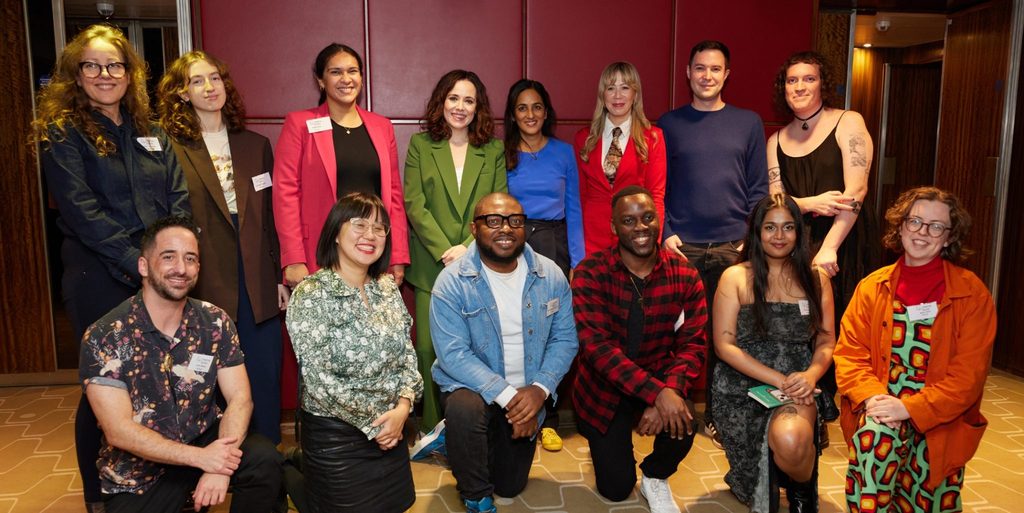
I’ve heard that even the most accomplished writers still deal with imposter syndrome, so I’ve come to recognise that you can’t completely be over it, especially since rejections never really dry up, no matter how far you go as a writer. But over the years, I have found, not only through the many recognitions I’ve received for my work, but also through self-assessment of the kind of stories I tell, that some of the most unique ones, as important as they are, might never have been told—in the way that I did—if I, as a writer, didn’t get to experience them with the other people in the picture. I believe this is what makes every writer’s voice unique and important, because as we live, we all experience things, and perhaps you’re there so some of those things don’t die as mere reportage and gists, but are immortalised in timeless literature through your voice. I have come to accept that I am a vessel through which the most important things going on around me get told. That’s my biggest reminder that my voice matters.
- The Legacy: If someone encounters your work a hundred years from now, what do you hope they understand about the world you walked through?
I hope that they see the world I wrote about as clearly as they see the one they live in. I hope they see the people, feel the places, and take lessons from the stories. I hope it teaches them that even the world they live in isn’t perfect, but that in all the imperfection, the sun rises every day with the hope that mistakes from the day before become lessons for the ones ahead.